


On-chain reconciliation gets ugly fast once a team moves from Ethereum mainnet to Arbitrum, Optimism, and Base for internal transfers like bridging ETH to Arbitrum. The transactions on the public ledger are public, but the accounting story often isn’t. One bridge, one swap, and one failed retry can leave your books out of sync by month-end close.
We see it all the time. A founder bridges ETH from Arbitrum to Base, swaps on Uniswap, sends USDC to Coinbase, and the subledger misses one leg. By midnight, they’re searching for a “crypto accountant” and hoping the close can still happen.
Where L2 reconciliation actually breaks
The hard part isn’t parsing raw blockchain data from a block explorer. The hard part is deciding what each movement means for cross-chain accounting, tax, and close.
A bridge out of Ethereum to an L2 should usually be an internal transfer, not revenue. But raw exports often split it into separate events, one on the source chain, one on the destination chain, plus fees. If your system doesn’t handle transaction identification to link those legs, multi-chain reconciliation fails and balances drift.
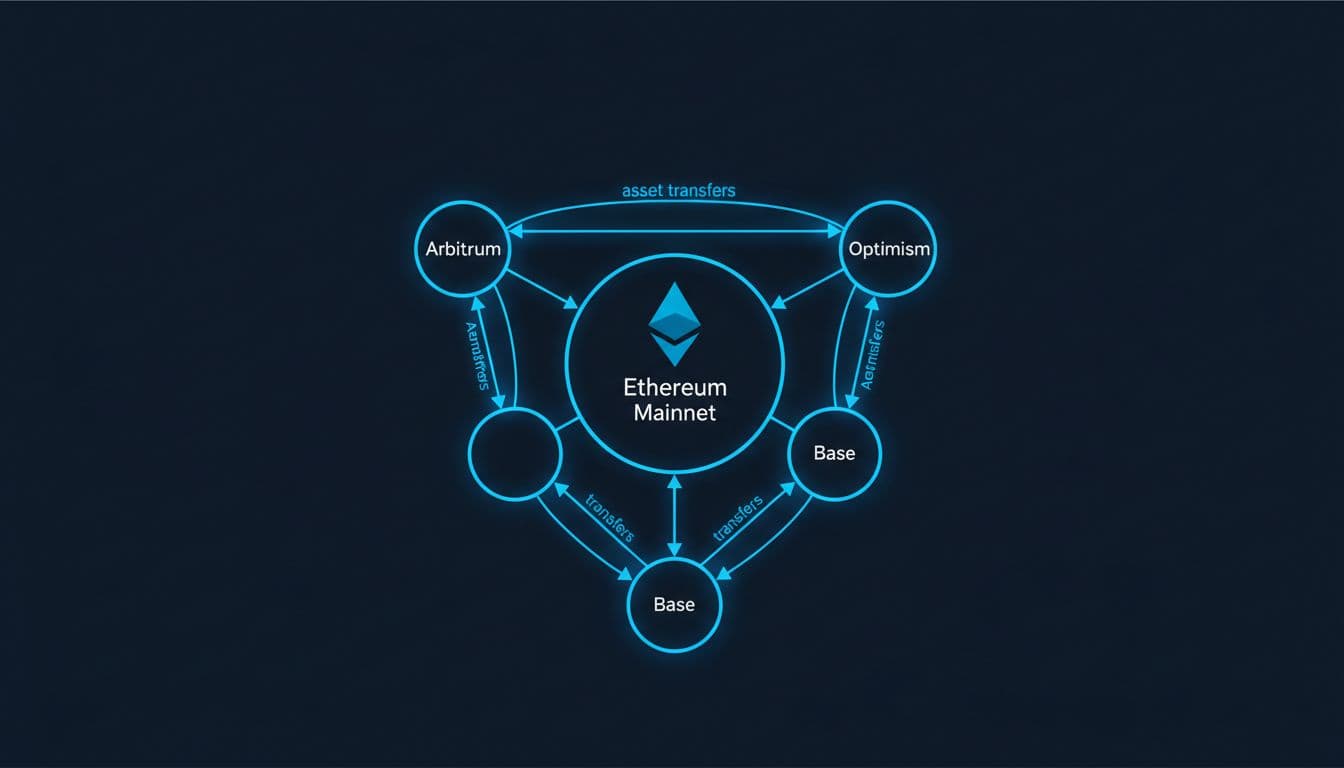
That gets worse with wrapping, failed transactions, and delayed finality. The timing gap introduces settlement risk. Jump’s breakdown of bridging and finality on Optimism and Arbitrum is a good reminder that settlement on one chain doesn’t always line up neatly with when finance teams expect a completed transfer, complete with an audit trail.
For finance, the main pain points usually look like this:
| Event | Accounting risk |
|---|---|
| Bridge from Ethereum to Base | Internal transfers get double-counted |
| Swap on Uniswap | Asset disposal and fee treatment missed |
| L2 gas and bridge fees | Expenses sit in the wrong wallet or period |
| Failed or partial transfer | Ledger shows movement, wallet does not |
The same issue hits DEX reconciliation, stablecoin accounting, and crypto treasury reconciliation. If a treasury wallet moves USDC between Base and Optimism, the economics may be simple, but the ledger detail rarely is. For a practical view of paired bridge events, this guide to bridge accounting treatment is useful.
This is why digital asset accounting, blockchain accounting, and plain old crypto bookkeeping now depend on strong L2 accounting rules to overcome multi-chain fragmentation. A cryptocurrency accounting firm can clean up the history later, but prevention costs less than rework.
Building a subledger that survives Arbitrum, Base, and Optimism
Good on-chain reconciliation starts with one rule: every wallet, exchange, and protocol needs a source-of-truth path into the books. That includes MetaMask wallets, Safe treasuries, Coinbase, Kraken, and smart contracts tied to Solana or Ethereum.
We usually see better results when teams apply wallet-centric reconciliation and protocol-centric reconciliation while combining CoinTracker, Cryptio, or TRES Finance with QuickBooks Online. The software helps, but the real control sits in your mapping logic. You need clean crypto subledger management for digital assets that connect seamlessly to the general ledger, not just imports.
If the system can’t pair the bridge outflow with the inflow, the books aren’t ready.
That matters across the whole stack. Web3 accounting, DeFi accounting, Web3 bookkeeping, and token project bookkeeping all break when the chart of accounts can’t tell apart treasury moves, token emissions, and user-driven flows. The same goes for token accounting, airdrop accounting, staking accounting, and DeFi yield farming accounting.

The question isn’t just how to account for staking rewards. It’s whether your system captures them at the right timestamp, chain, wallet, and fair value. The same logic applies to rebasing tokens, sequencer rebates, and stablecoin sweeps. That’s why founders ask for wallet reconciliation services after the first messy close, not before.
New routing models add another wrinkle. Intent-based cross-chain execution replacing classic bridges can change how transfers appear in raw data, even when the business result looks like a simple move from A to B.
Why the close now touches GAAP, tax, and licensing
As of March 2026, FASB ASU 2023-08 has raised the bar for GAAP crypto accounting. If you report under US GAAP, fair value changes now hit your books more directly for qualifying crypto assets. That means bad reconciliation doesn’t just create wallet mismatches, it bleeds into financial reporting.
The same pressure shows up under IFRS digital asset reporting, where classification still depends on facts and policy choices. So the support file matters. Finance teams need lot-level detail, fee support, ERP integration, and a clear audit trail from off-chain records that complement blockchain data.
Licensed payment companies feel this even more. Money transmitter accounting, MTL accounting, MSB accounting, and crypto accounting for money transmitters all depend on tight records for customer funds, treasury balances, and stablecoin treasury management, especially for complex transactions involving tokenized securities, delivery-versus-payment, and atomic settlement. FinCEN rules under the Bank Secrecy Act, plus state MTL requirements, don’t care that the mismatch started with a Base bridge.
Whether we’re handling crypto startup accounting, crypto bookkeeping for startups, or crypto fund accounting, the pattern stays the same. Clean reconciliation supports crypto controller services, fractional CFO crypto work, month-end decisions that founders can actually trust, and compliance reporting.
The close should not depend on guesswork
L2 activity is normal now. Broken books shouldn’t be. If your Arbitrum, Optimism, or Base flows keep blowing up the close, it’s time to fix the rules behind the ledger with data ingestion and data normalization, not just patch the spreadsheet. The chain’s immutability requires correct primary data versus derived data to improve accounting elements like cost basis. Clean data from a fixed ledger enables cash flow forecasting and real-time settlement.
For help with on-chain reconciliation, crypto bookkeeping, and finance support that actually matches how your wallets move, book a free consultation with Fortress Accounting.